
Your Garage Door Shouldn't Sound Like That
You press the button on your opener, and instead of a smooth, quiet operation, your garage door greets you with a symphony of grinding, squealing, or banging. If you're a homeowner in Edmond, you've probably experienced this at least once — especially during temperature swings between our hot summers and cold winter mornings.
The truth is, a noisy garage door is more than just an annoyance. Those sounds are often early warning signs that something is wearing out, misaligned, or about to fail. Ignoring them can lead to more expensive repairs down the road — or worse, a safety hazard for your family.
Let's break down the most common garage door noises, what causes them, and what you should do about each one.
Squealing or Screeching Sounds
A high-pitched squeal when your garage door opens or closes is one of the most common complaints we hear from homeowners. This sound usually points to one of two issues:
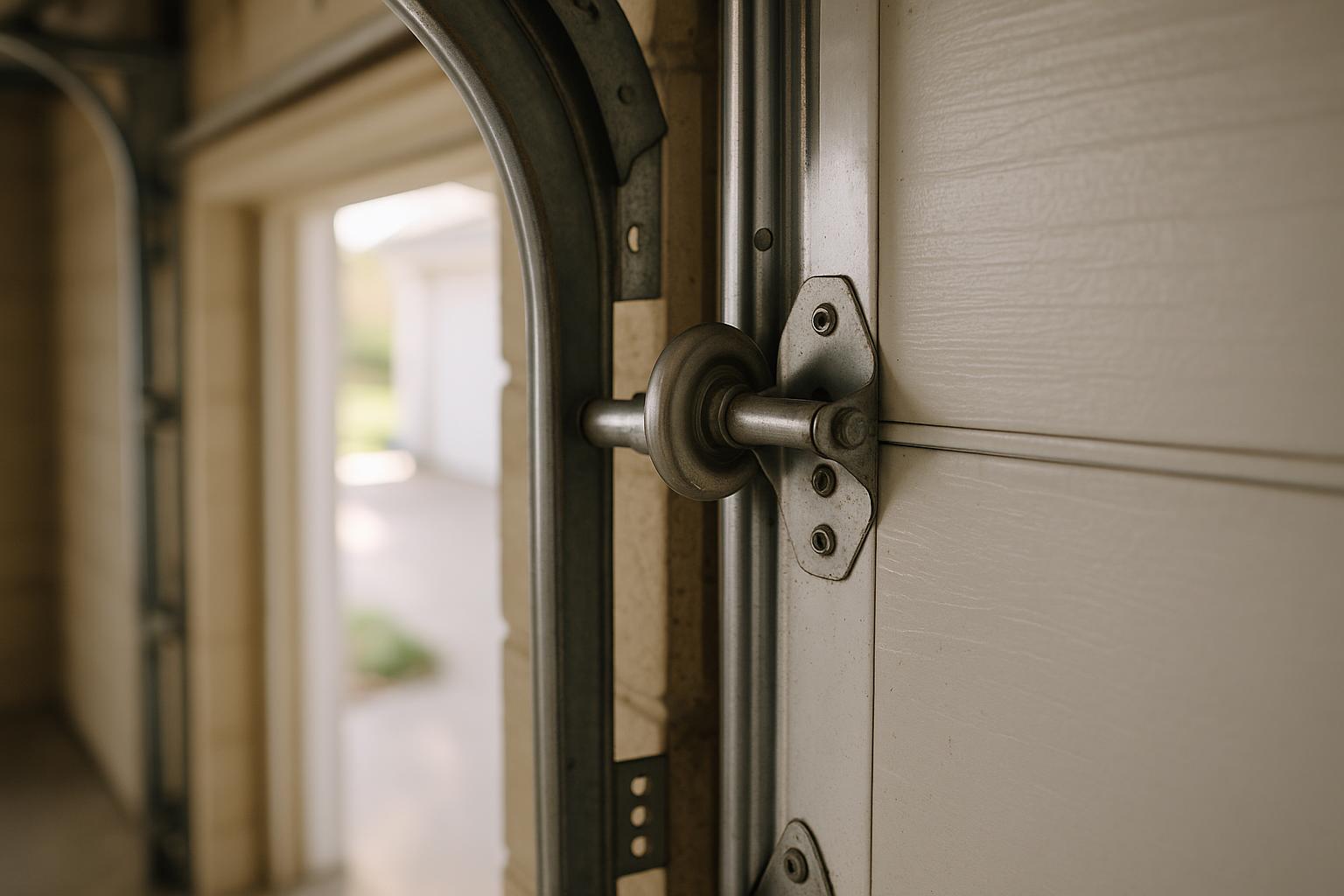
- Lack of lubrication: The rollers, hinges, and tracks on your garage door need periodic lubrication to operate smoothly. Over time, the original lubricant dries out, and metal-on-metal contact creates that unmistakable screech.
- Worn-out rollers: If your garage door uses steel rollers (rather than nylon), they tend to get louder as they age. Even nylon rollers eventually wear down and can start producing noise.
The fix for lubrication issues is straightforward — apply a silicone-based or lithium garage door lubricant to the rollers, hinges, springs, and bearing plates. Avoid using WD-40, which is a solvent and not a long-term lubricant. If the rollers themselves are cracked or chipped, they'll need to be replaced.
Grinding or Scraping Noises
A grinding sound is harder to ignore, and for good reason — it typically means something is rubbing where it shouldn't be. Common causes include:
- Misaligned tracks: If the vertical or horizontal tracks have shifted even slightly, the door's rollers will grind against the edges as the door moves. You might also notice the door hesitating or moving unevenly.
- Bent track sections: Tracks can get bent from accidental impact (like bumping them with a car or heavy object). A bent track forces the door out of its natural path, creating friction and noise.
- Debris in the tracks: Dirt, leaves, small rocks, and even insect nests can accumulate in the tracks over time, especially here in Edmond where wind carries all kinds of debris across the plains.
You can visually inspect your tracks for obvious bends or debris. Cleaning them with a damp cloth can help with minor buildup. However, if the tracks are bent or misaligned, it's best to have a professional handle the adjustment. Forcing a door along a damaged track can cause the door to jump off the track entirely.
Popping or Snapping Sounds
Hearing a loud pop or snap when your garage door starts moving can be startling. This sound often comes from:
- Torsion springs adjusting under tension: As springs age, they can develop slight imperfections that cause them to pop as they wind and unwind. This can also happen when temperature changes cause the metal to expand and contract.
- The opener's drive mechanism: Chain-drive openers are particularly prone to popping sounds when the chain becomes loose or the sprocket is wearing down.
If the popping is occasional and mild, lubrication may help. But if it's getting louder or more frequent, don't wait. A spring that's about to break can release a dangerous amount of force. Spring repair and replacement should always be handled by a trained technician.
Rattling or Vibrating Sounds
A rattling garage door often sounds like loose hardware shaking around — because that's usually exactly what it is. Over thousands of open-and-close cycles, nuts, bolts, and screws naturally loosen. Common culprits include:
- Loose hinges and brackets: The hinges connecting your door panels and the brackets holding the tracks to the wall can work themselves loose over time.
- A loose opener chain or belt: If the chain on your opener has too much slack, it will vibrate and rattle during operation.
- Unsecured opener mounting: The opener unit itself is bolted to your garage ceiling. If those mounts loosen, the entire unit can vibrate, amplifying the noise throughout your garage.
Grab a socket wrench and tighten any visibly loose hardware. Be careful not to overtighten, which can strip the holes or warp the brackets. If you have a chain-drive opener, check the chain tension according to your owner's manual — it should have about a half-inch of play at the midpoint.
Banging or Slamming When the Door Closes
If your garage door slams shut the last few inches instead of settling gently, the problem is usually related to your opener's close-force settings or worn-out springs that are no longer properly counterbalancing the door's weight.
Most modern openers have adjustable force and travel limit settings. Consult your owner's manual to fine-tune these. If the springs are the issue — meaning the door feels heavy when you lift it manually — you'll need professional spring service. An unbalanced door puts excessive strain on the opener and can shorten its lifespan significantly.
When to DIY and When to Call a Pro
Some garage door noise issues are perfectly safe to address yourself:
- Lubricating moving parts
- Tightening loose bolts and screws
- Cleaning debris from the tracks
- Adjusting opener chain tension
However, certain repairs should always be left to professionals:
- Spring repair or replacement — torsion springs are under extreme tension and can cause serious injury.
- Track realignment — improper adjustment can cause the door to fall off the tracks.
- Opener motor or gear replacement — electrical and mechanical components require proper tools and expertise.
- Cable repair — like springs, cables are under tension and can be dangerous to handle.
Preventive Maintenance Keeps Things Quiet
The best way to avoid a noisy garage door is regular maintenance. We recommend Edmond homeowners schedule a professional tune-up at least once a year. During a maintenance visit, a technician will lubricate all moving parts, tighten hardware, inspect springs and cables, test the door's balance, and check the opener's safety features.
Think of it like an oil change for your car — a small investment that prevents major problems. Most garage door issues we see could have been caught early with a simple annual inspection.
Don't Ignore What Your Garage Door Is Telling You
Strange noises are your garage door's way of asking for help. Whether it's a minor squeak that needs lubrication or a grinding sound that signals a bigger problem, addressing the issue early saves you money and keeps your family safe.
If your garage door has been making noises that don't seem right, Edmond Garage Door Pro is here to help. We serve homeowners throughout Edmond, Deer Creek, Piedmont, and the surrounding Oklahoma City metro area with honest diagnostics and reliable repairs. Give us a call, and we'll get your garage door running smoothly — and quietly — again.